დღეს რა გვაინტერესებს ? Sur quels événements devons nous porter attention aujourd’hui ?
პრესრელიზი
2024 წლის 28 ნოემბრის აღსანიშნავად
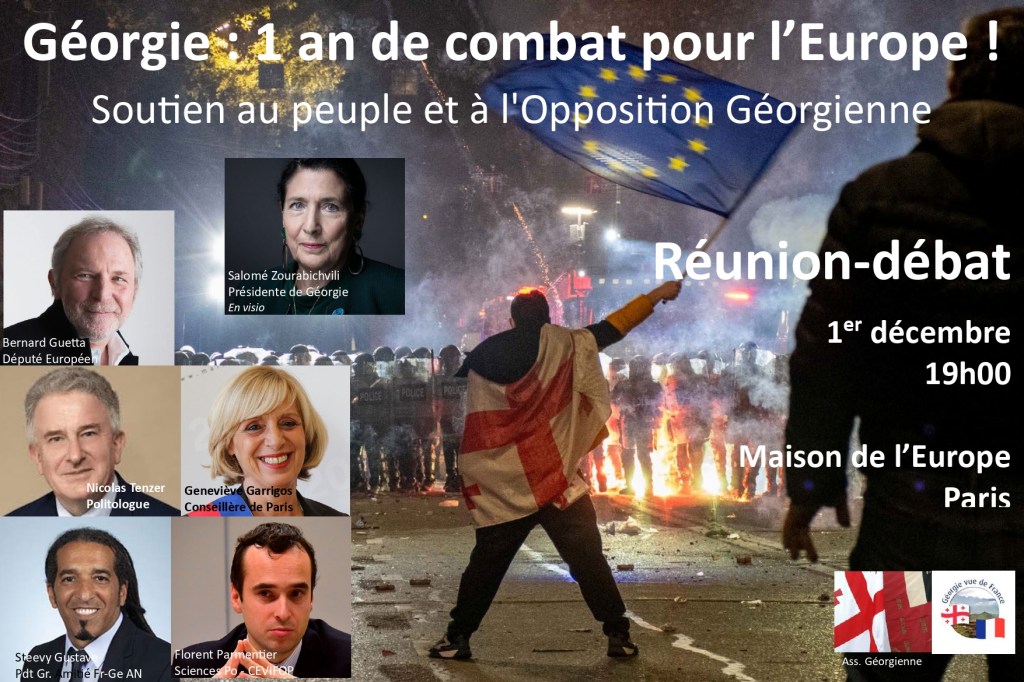
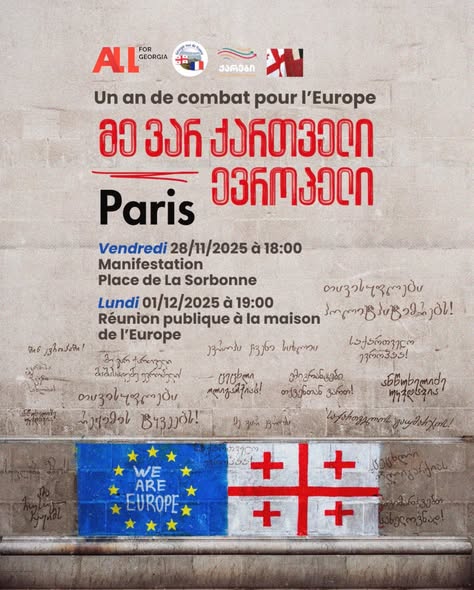
Lundi 1er décembre 2025 à 18h30
à la Maison de l’Europe – Paris
Géorgie : 1 an de combat pour l’Europe !
Soutien au peuple et à l’Opposition Géorgienne
საპარლამენტო არჩევნების წლის თავი 26 10 2024 / 26 10 2025
Déjà un an depuis les dernières ELECTIONS PARLEMENTAIRES 26 10 2024 / 26 10 2025
!!!
დღეს ჩვენ სამშობლო არვის მივცეთ გულსალავად !
Aujourd’hui, nous ne ne permettrons à personne d’annihiler NOTRE PATRIE !
↓↓↓
Hymne de la 1ère République
1918
Dideba დიდება
*
↓↓↓
*
↓↓↓
Géorgie Ukraine même combat !!!
↓↓↓
ოღონდ მთავარია დავიმახსოვროთ რომ :
ჩენ ქართველებად დავიბადენით და ამ აქტით უზენაესი მოვალეობა მივიღეთ, ჩვენს წინაფართაგან საუკუნოების განმავლობაში შექმნილი და ჩვენთვის ნაანდერძევი ქართველი ერისა და საქართველოს წინაშე<
ელისე პატარიძე / პარიზი მაისი 1938 წ
Mais ce qui nous semble primordial , c’est d’avoir à l’esprit ce qui suit :
« Nous sommes nés Géorgiens et par cet acte nous avons été doté d’un devoir suprême hérité de nos ancètres au fil des siècles envers la nation géorgienne et la Géorgie, ancêtres au fil des siècles ! «
Elisé Pataridze / Paris, mai 1938

↓↓↓
Კარგი დრო იყო გუშღამ …، ეხლა ლევილიდან გაგვრეკა ახლანდელ მთავრობაბ . Მაგრამ ერთ მშვენიერ დღეს ჩვენი დრო დადგება და კიდევ ჩვენს პატარა საქართველოში მვიყრით თავს
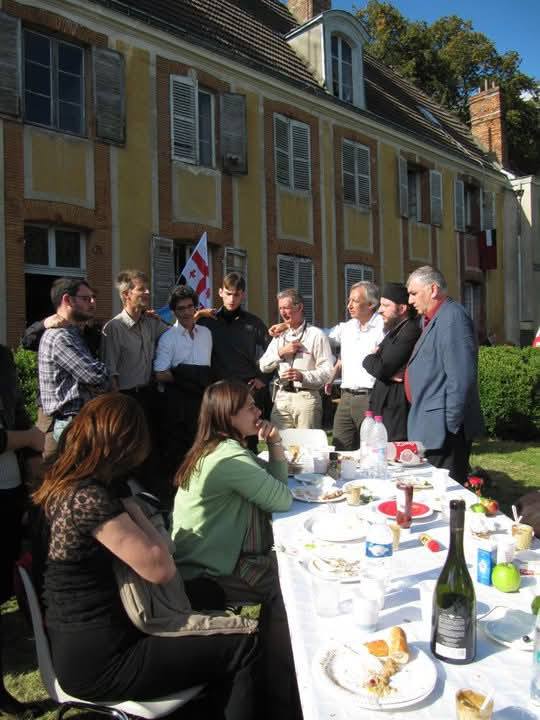
ნანა ფერაძის მოგონება
დრო გადის, მაგრამ მოგონება რჩება...
ამ ფოტოებში ეროვნულ დღესასწაულთან ერთად ცოცხლობს ადამიანების ცხოვრება, რომლებიც შორეთში წავიდნენ, მაგრამ გულით სახლში დარჩნენ. ლევილის ქართული მამული ამ ,,სახლის » სიმბოლოა.
ამ ფოტოებში არის ემოცია, სიხარული, მონატრება… ემიგრანტების სახეები, რომლებიც ქმნიან ისტორიას სიშორეშიც კი.
ყოველ ეპოქას აქვს თავისი ამბავი და ყველა ადამიანს აქვს ინდივიდუალური განცდა.
ეს ფოტოები ჩემთვის განსაკუთრებული დროის და ადგილის სუვენირია. ლევილის ქართული მამულის მოგონება ცოცხლობს არა მხოლოდ ამ ფოტოებზე, ასევე გულშიც.

↓↓↓
↓↓↓
↓↓↓
↓
↓↓↓
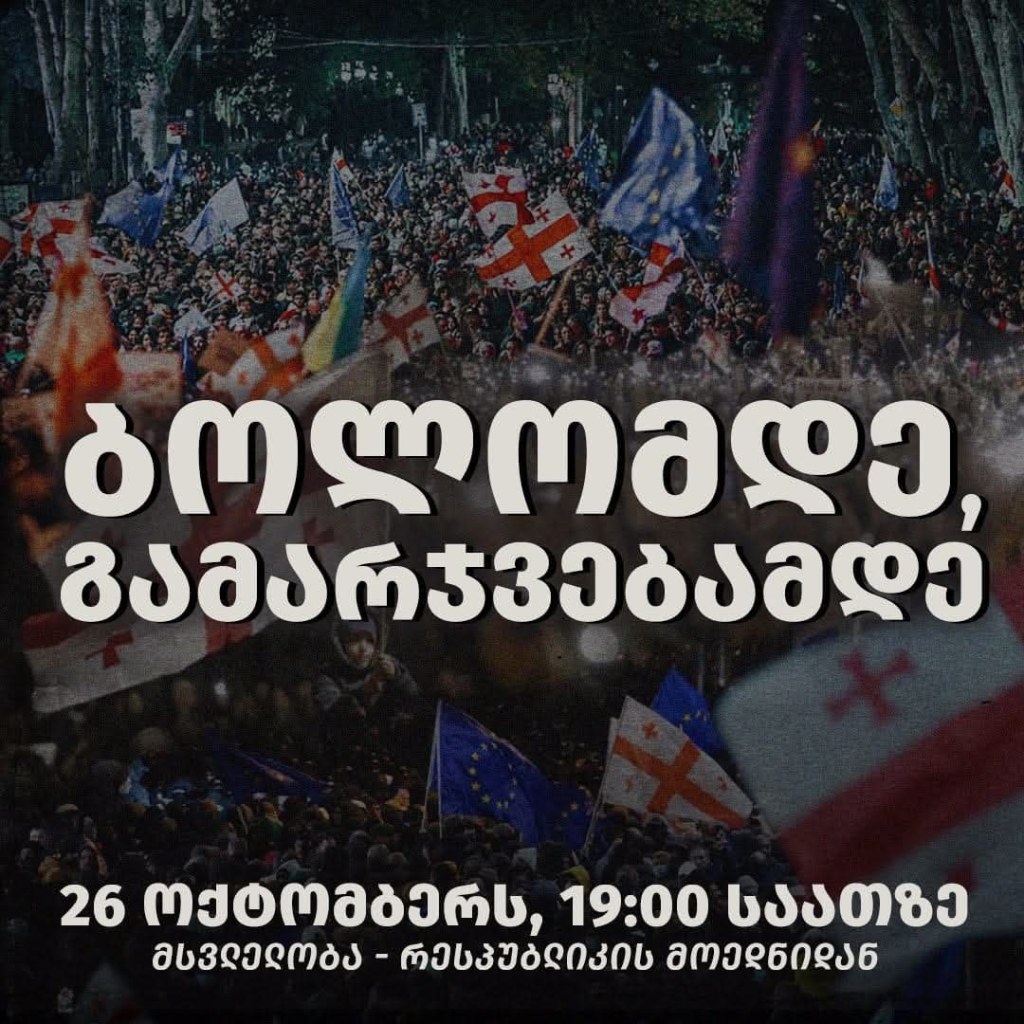
4 ოქტომბრიდან დემონსტრაციები გაგრძელდა; რეპრესიები გაძლიერდა…
- ოქტომბერი 4, 2025
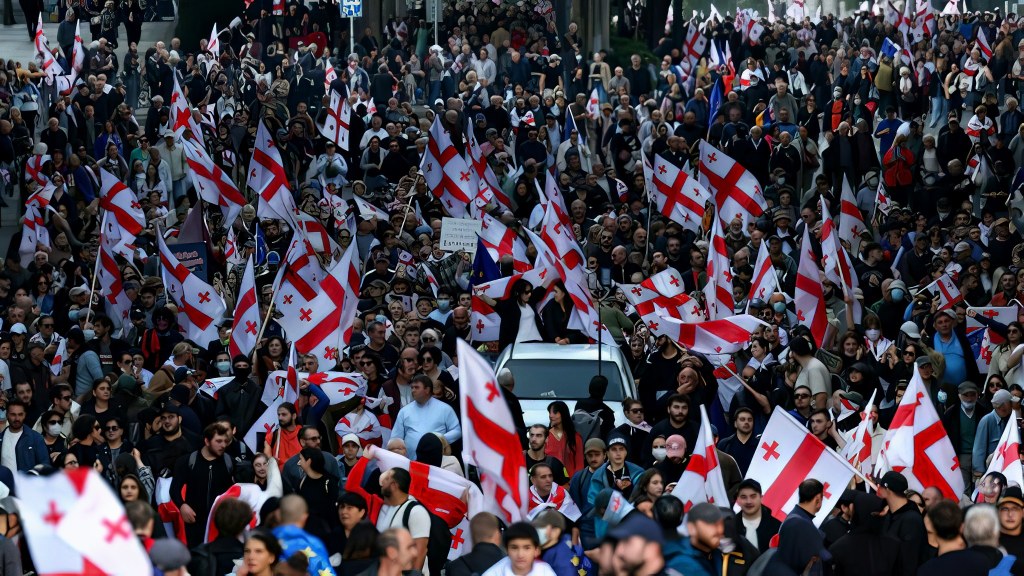
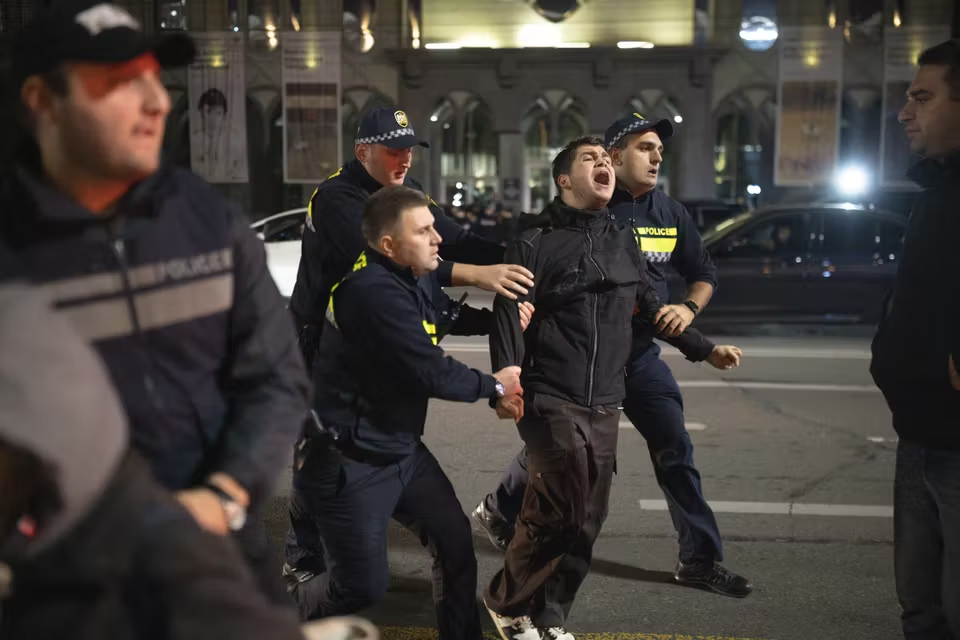
თითქმის 100 000 ადამიანი შეიკრიბა 4 ოქტომბერს თბილისში. მას შემდეგ, რუსთაველის გამზირი ყოველ საღამოს პოლიციის ძალადობისა და მშვიდობიანი დემონსტრანტების, როგორც ახალგაზრდების, ასევე ხანდაზმულების, თვითნებური დაპატიმრებების ადგილად იქცა. მოქალაქეები დაუღალავად აგრძელებენ პროტესტს რეჟიმის წინააღმდეგ, რომელიც თანდათან თრგუნავს თავისუფლებას და თელავს დემოკრატიას, ამყარებს რუსული მოდელის ავტორიტარულ რეჟიმს. ამ ყოველდღიური საპროტესტო მოძრაობის ჩახშობის მცდელობისას, პოლიცია განსაკუთრებით სასტიკ მეთოდებს იყენებს, აპატიმრებს სრულიად მშვიდობიან „აქტივისტებს“. ასევე დევნის ჟურნალისტებს, რომლებმაც შეინარჩუნეს დამოუკიდებლობა. ზარალდება ტელეარხი „ფორმულა“, რომელიც მაქსიმალურად ცოცხლობს და ცდილობს საზოგადოების ინფორმირებას სამთავრობო პროპაგანდის გარეშე: მისი სამი ჟურნალისტი, მათ შორის ცნობილი წამყვანი ვახო სანაია, ასევე ქეთა ციცქიშვილი და ცირა ჟვანია, დააკავეს. საბჭოთა პერიოდის რეპრესიები დაბრუნდა: 23 ოქტომბრის მონაცემებით, საქართველოში 123 პოლიტპატიმარი იყო. ეს რიცხვი დღესდღობით სავარაუდოდ გაორმაგებულია…
https://politik.ge/…/since-october-4-protests-continue…/
საქართველო ბრაზშია: აქციები ჩახშობილია, თავისუფლებები შეზღუდულია. ჟურნალისტები ჩუმად ხდებიან, რუსული ტიპის ავტორიტარიზმი ძალადობრივად იკიდებს ფეხს. რამდენ ხანს გაძლებს უფლებების სრული ჩამოშლა?
La Géorgie plonge dans la terreur : manifestations écrasées, libertés réduites. Journalistes muselés, l’autoritarisme à la russe s’installe avec violence. Combien de temps avant l’effondrement total des droits ?
Georgia under siege: authoritarian claws tighten, freedoms strangled. Journalists and activists violently suppressed. Is a Soviet-style regime the new normal? The world watches in disbelief.
↓↓↓
საქართველოში დემორალიზაცია და სიძნელეები პრორუსული რეჟიმის საწინააღმდეგო მობილიზაციის ერთი წლის შემდეგ
En Géorgie, l’abattement et l’impasse après un an de mobilisation contre le régime prorusse
Le mouvement de contestation provoqué par la suspension du processus d’intégration à l’Union européenne se heurte à l’inflexibilité du pouvoir. Le pays devient une dictature, selon l’opposition, dont les principaux représentants sont aujourd’hui en prison.
Par
Faustine Vincent ( Le Monde)
Voir les TRADUCTIONS géorgienne & anglaise après le texte français
Tout est allé très vite. Le 28 novembre 2024, la Géorgie annonçait la suspension du processus d’intégration à l’Union européenne (UE), onze mois après avoir obtenu le statut de candidat. Un choc pour la population, dont 80 % se dit pro-européenne. Des centaines de milliers de personnes sont descendues dans la rue pour protester contre le « régime russe », le surnom du gouvernement de cette ex-République soviétique du Caucase, qu’elles accusent d’être à la solde de Moscou.
Un an plus tard, le mouvement de protestation, sans leader, se poursuit pour le 365e jour d’affilée, mais se heurte à un régime inflexible, qui multiplie les lois répressives à un rythme vertigineux. Médias indépendants, ONG, opposition, fonction publique, universités… tous les secteurs sont ciblés par cette mise au pas. Les peines pour participation à des rassemblements ont été durcies, les restrictions de la liberté d’expression accrues, le crime de haute trahison a été réintroduit et la version renforcée de la loi sur l’« influence étrangère » est entrée en vigueur.
En outre, des enquêtes criminelles ont été lancées contre des organes de surveillance indépendants, dont l’International Society for Fair Elections and Democracy (Isfed), chargée de surveiller les élections. Le Bureau de la fonction publique a été dissous, exposant les fonctionnaires à des licenciements pour des raisons politiques. Fin novembre, le parti au pouvoir, Rêve géorgien, a également annoncé une révision complète du code électoral, qui obligera les citoyens géorgiens résidant à l’étranger, estimés à 1,5 million, à voter sur le territoire géorgien lors des élections législatives.
« Chaque îlot d’indépendance et d’activité publique est visé », explique l’analyste politique Ghia Nodia, professeur à l’université d’Etat Ilia, à Tbilissi. Le temps où ce petit pays de 3,7 millions d’habitants faisait figure de modèle en matière de transition démocratique est révolu. « La Géorgie devient une totale autocratie, comme la Russie ou la Biélorussie, poursuit le chercheur. Plus personne n’est à l’abri. Le pouvoir utilise la méthode russe. Mais, en Russie, cette transformation a pris vingt ans, alors qu’ici, c’est fait en seulement deux ou trois ans. »
Si le régime laisse encore les manifestants, moins nombreux, protester devant le Parlement à Tbilissi, c’est avant tout « pour éviter d’apparaître trop violent », au risque de raviver la contestation. « Il estime que les quelques centaines de protestataires ne constituent pas une menace, ajoute Ghia Nodia. Ils sont ciblés aussi, mais progressivement. » Plus de 460 personnes ont été arrêtées depuis le début de la contestation. Une soixantaine, considérées comme des prisonniers politiques par les ONG de défense des droits humains, sont toujours derrière les barreaux.
Le Monde Mémorable
Les violations de la liberté de la presse ont, quant à elles, atteint un « niveau sans précédent », s’est alarmé, lundi, Reporters sans frontières (RSF) : en un an, l’organisation a recensé 600 attaques contre les journalistes. RSF dénonce « la politique d’intimidation, de harcèlement et de criminalisation du journalisme indépendant », et appelle le gouvernement à « mettre fin aux violences physiques, aux menaces et aux poursuites abusives ».
L’opposition politique est, elle aussi, victime d’une répression inédite depuis l’indépendance du pays, en 1991. L’oligarque milliardaire qui dirige le pays dans l’ombre, Bidzina Ivanichvili, fondateur de Rêve géorgien, au pouvoir depuis 2012, avait promis d’en finir avec elle avant les législatives d’octobre 2024 – le scrutin a été remporté par son parti mais les résultats ont été truqués, selon les opposants. Il met aujourd’hui sa menace à exécution.
Fin octobre, Rêve géorgien a déposé des recours auprès de la Cour constitutionnelle, aux ordres du pouvoir, afin d’interdire les trois grandes forces d’opposition, le Mouvement national uni (MNU), la Coalition pour le changement et l’alliance Géorgie forte-Lelo.
En parallèle, des poursuites pénales ont été engagées contre plusieurs leaders de l’opposition de premier plan. Six sont derrière les barreaux. « Le gouvernement a clairement l’intention de bannir tous les partis d’opposition, et crée une base légale pour le justifier, en les accusant d’être des “traîtres”, des “fascistes” ou une “menace pour la sécurité nationale” », détaille Ghia Nodia. Le 19 novembre, l’Assemblée parlementaire du Conseil de l’Europe a mis en garde Tbilissi : l’interdiction des forces d’opposition, qui devrait être bientôt entérinée par la Cour constitutionnelle, « instaurerait de facto une dictature en Géorgie ».
L’ex-président Saakachvili en prison
« Le régime rallonge les peines de prison pour des responsables d’opposition, qui encourent déjà jusqu’à quinze ans d’emprisonnement. Ils veulent nous éradiquer complètement », s’émeut Marika Mikiachvili, responsable des affaires étrangères au sein du parti d’opposition Droa, membre de la Coalition pour le changement. La cheffe de cette formation, Elene Khoshtaria, est en détention provisoire depuis le 15 septembre, et encourt de sept à quinze ans de prison pour avoir tagué une affiche électorale de Rêve géorgien.
Emprisonné pour « abus de pouvoir » depuis 2021, l’ancien président géorgien et leader du principal parti d’opposition (MNU), Mikheïl Saakachvili, a lui-même vu sa peine alourdie, et devra rester, en cumulé, douze ans en prison. Transféré dans une clinique privée en 2022 après la détérioration de son état de santé, le leader de la « révolution des roses » a été reconduit en prison le 12 novembre. « C’est une mesure punitive, car les conditions sont pires en prison qu’en clinique », estime Marika Mikiachvili.
Lui aussi poursuivi par la justice, l’ancien premier ministre et actuel leader du parti d’opposition Pour la Géorgie, Guiorgui Gakharia, a fui le pays durant l’été. Inculpé pour la répression de manifestations en 2019, il encourt jusqu’à treize ans de prison. Contacté par Le Monde, cet ancien membre éminent de Rêve géorgien dénonce « une vendetta personnelle » contre lui. « Ivanichvili veut m’effacer du paysage politique, mais cela n’arrivera pas », assure l’opposant.
Son parti est le seul à avoir accepté de siéger au Parlement, dominé par Rêve géorgien et boycotté par les autres partis d’opposition. « L’opposition a quasiment disparu de l’arène politique, laissant Rêve géorgien seul aux manettes. Cela l’a affaiblie », regrette-t-il, affirmant vouloir peser de l’intérieur pour défendre l’avenir européen du pays. A l’inverse, les autres partis d’opposition estiment que siéger au Parlement revient à le légitimer. « Comme nous le boycottons, la population, dont la confiance dans les partis politiques est faible, se dit qu’au moins nous ne sommes pas des traîtres », affirme Marika Mikiachvili.
« Point de non-retour »
Depuis l’invasion russe de l’Ukraine, le 24 février 2022, la Géorgie se détourne de l’Union européenne pour se rapprocher de la Russie, dont les troupes occupent 20 % du territoire depuis la guerre de 2008, mais aussi de la Chine, avec laquelle Tbilissi a signé un partenariat stratégique en 2023. Jusqu’ici, l’aspiration euroatlantique du pays, inscrite dans la Constitution, était un pilier de sa politique étrangère. La volte-face de la Géorgie préoccupe jusqu’au sommet de l’OTAN. Son secrétaire général, Mark Rutte, a déclaré, lundi, que l’Alliance atlantique était « très inquiète de ce qui se passe [dans le pays] ».
Malgré la poursuite du mouvement de contestation, la société géorgienne est aujourd’hui gagnée par l’abattement. « Personne ne sait comment sortir de cette situation, reprend Ghia Nodia. Même quand elles étaient massives, les protestations n’ont pas eu d’influence et les pressions des Occidentaux ne sont pas assez fortes pour inciter le gouvernement à faire des concessions. Nous avons atteint un point de non-retour. »
Les opposants au régime, qui placent leurs espoirs dans une victoire de l’Ukraine face à la Russie et appellent les Européens à voter des sanctions visant Bidzina Ivanichvili, constatent que leur combat est aujourd’hui dans l’impasse. « On va finir par gagner un jour, mais quand et à quel prix ? s’interroge Marika Mikiachvili. La Russie a sa marionnette au pouvoir. Nous combattons le Kremlin à mains nues. La Géorgie est un manuel pour tout autocrate : comment on retourne une nation en une décennie. »
Faustine Vincent ( Journal Le Monde )
საქართველოში, პრორუსული რეჟიმის წინააღმდეგ ერთი წლის მობილიზაციის შემდეგ იმედგაცრუება და ჩიხი
ევროკავშირის ინტეგრაციის პროცესის შეჩერების გამო გამოწვეული პროტესტის მოძრაობა ხელისუფლების შეუვალ პოლიტიკას ეჯახება. ოპოზიციის თანახმად, ქვეყანა დიქტატურად ყალიბდება, ოპოზიციის თავკაცები დღეს პატიმრობაში არიან.
ავტორი: ფოსტინ ვენსენტი (Le Monde)
ყველაფერი ძალიან სწრაფად მოხდა. 2024 წლის 28 ნოემბერს საქართველო გამოაცხადა ევროკავშირში ინტეგრაციის პროცესის შეჩერების შესახებ, კანდიდატის სტატუსის მიღებიდან ერთ თვეზე ცოტათი მეტი დროის შემდეგ. მოსახლეობისთვის ეს იყო შოკი, 80% აცხადებს, რომ მხარს უჭერს ევროპულ კურსს. ასიათასობით ადამიანმა ჩაატარა „რუსული რეჟიმის“ წინააღმდეგ მსვლელობა, ასე უწოდებენ ამ ყოფილი საბჭოთა კავკასიური რესპუბლიკის მთავრობას, და მათ მოსკოვის სამსახურში ყოფნად უთვლიან.
ერთი წელიწადის შემდეგ, ლიდერის გარეშე, მიმდინარე პროტესტის მოძრაობა 365-ე დღის განმავლობაში გრძელდება, მაგრამ ეჯახება შეუფერებელ რეჟიმს, რომელიც ენერგიულად ახორციელებს რეპრესიული კანონების მიღებას. დამოუკიდებელი მედია, არასამთავრობო ორგანიზაციები, ოპოზიცია, საჯარო სამსახური, უნივერსიტეტები… ყველა სექტორი კონტროლის ქვეშ მოქცეულია. მანიფესტაციებში მონაწილეობისთვის განსაზღვრული სასჯელები გამკაცრდა, გამოხატვის თავისუფლების შეზღუდვები გაიზარდა, სახელმწიფო ღალატის დანაშაული ხელახლა დააბრუნეს, ხოლო გაძლიერებული ვერსია კანონის „საგარეო გავლენა“-ზე უკვე ამოქმედდა.
ამას გარდა, შეგახსენებთ, რომ დამოუკიდებელი ზედამხედველობის ორგანოების წინააღმდეგ, მათ შორის, საერთაშორისო საზოგადოების სამართლიანი არჩევნებისა და დემოკრატიისათვის (Isfed), რომელიც პასუხისმგებელია არჩევნების ზედამხედველობაზე, სისხლის სამართლებრივი გამოძიებები დაიწყო. საჯარო სამსახურის ინსპექციის სამსახური გაუქმდა, რის შედეგადაც თანამშრომლები პოლიტიკური მიზეზების გამო შესაძლოა გათავისუფლდნენ. ნოემბრის ბოლოს, ხელისუფლებამ, ქართულმა ოცნებამ, ასევე განაცხადა საარჩევნო კოდექსის სრულად გადახედვის შესახებ, რაც საზღვარგარეთ მცხოვრებ, დაახლოებით 1,5 მილიონ მოქალაქეს აიძულებს, რომ საპარლიმენტო არჩევნებში მხოლოდ საქართველოს ტერიტორიაზე მიიღონ მონაწილეობა.
« თითოეული დამოუკიდებელი კუნძული და საზოგადოებრივი აქტივობა საფრთხის ქვეშაა, » — აღნიშნავს პოლიტიკური ანალიტიკოსი,
ის დრო, როცა ეს პატარა, 3,7 მილიონიანი ქვეყანა დემოკრატიული ტრანზიციის მაგალითს წარმოადგენდა, მორჩა. „საქართველო სრულ ავტოკრატიად ყალიბდება, როგორც რუსეთი ან ბელარუსია“, განაგრძობს მკვლევარი. „აღარავინაა დაზღვეული საფრთხეებისგან. ხელისუფლება იყენებს რუსულ მეთოდებს. მაგრამ, რუსეთში ეს პროცესი ოცი წელი გაგრძელდა, აქ კი მხოლოდ ორი ან სამი წლის განმავლობაში განხორციელდა.“
თუ რეჟიმი ჯერ კიდევ უშვებს, რომ ნაკლები რაოდენობით მომიტინგეები გამოვიდნენ პარლამენტის წინ თბილისში და პროტესტი გამოხატონ, ეს, უპირველესად, „მის რადიკალური ძალადობის მხრივ გამოჩენის თავიდან ასაცილებლადაა“, რაც წინააღმდეგობის კიდევ უფრო გამწვავების გამოიწვევს. „რამდენიმე ასეული მომიტინგე საფრთხეს არ წარმოადგენს“, დასძენს გია ნოდია. „ისინი ყველა მიზანში არიან ამოღებულნი, მაგრამ თანდათან, სათითაოდ.“
საპროტესტო გამოსვლების დაწყების დღიდან 460-ზე მეტი ადამიანი დააკავეს. მათგან დაახლოებით 60, უფლებადამცველი არასამთავრობო ორგანიზაციები პოლიტიკური პატიმრებად მიიჩნევენ, ჯერ კიდევ ციხეში არიან.
ჟურნალისტური თავისუფლების დარღვევებმა « უპრეცენდენტო დონეს » მიაღწია, განაცხადა ორშაბათს ორგანიზაციამ Reporters sans frontières (RSF): ერთი წლის განმავლობაში ორგანიზაციამ 600 შეტევა დააფიქსირა ჟურნალისტების წინააღმდეგ. RSF გმობს « დაშინების, შანტაჟისა და დამოუკიდებელ ჟურნალისტურ საქმიანობის კრიმინალიზაციის პოლიტიკას » და მთავრობას მოუწოდებს « შეწყდეს ფიზიკური ძალადობა, მუქარა და უსაფუძვლო დევნა ».
პოლიტიკური ოპოზიციაც, ქვეყნის დამოუკიდებლობიდან, 1991 წლიდან დღეს განიცდის უპრეცედენტო მასშტაბის რეპრესიას. ოლიგარქი მილიარდერი, რომელიც ქვეყნის სქემას მართავს, ბიძინა ივანიშვილი, « ქართული ოცნების » დამფუძნებელი, 2012 წლიდან ხელისუფლებაშია, 2024 წლის ოქტომბრის საპარლამენტო არჩევნებამდე დაპირდა ოპოზიციას ბოლოს მოუღებდა– არჩევნები მისი პარტიის გამარჯვებით დასრულდა, მაგრამ ოპოზიციის თქმით, შედეგები გაყალბებული იყო. დღეს ის თავის მუქარას ახორციელებს.
ოქტომბრის ბოლოს, „ქართულმა ოცნებამ“ მიმართა ხელისუფლების მიერ კონტროლირებულ საკონსტიტუციო სასამართლოს, რათა სამი მთავარი ოპოზიციური ძალის: ერთიანი ნაციონალური მოძრაობა (ენმ), ცვლილებისთვის კოალიცია და ძლიერი საქართველო-ლელოს ალიანსი- აკრძალვის სარჩელით.
პარალელურად, სისხლის სამართლის დევნა მიმდინარეობდა რამდენიმე წამყვანი ოპოზიციონერი ლიდერის მიმართ. ექვსი მათგანი ციხეში იმყოფება. „მთავრობას აშკარად ჰქონდა განზრახვა, გამოერიცხა ყველა ოპოზიციური პარტია და ქმნიდა სამართლებრივ საფუძველს ამას დასამატებლად, მათ ბრალს სდებდა „მოღალატეებად“, „ფაშისტებად“ ან „ეროვნული უსაფრთხოებისათვის საფრთხედ““, განმარტავს მათემატიკოსი გია ნოდია. 19 ნოემბერს, ევროპის საბჭოს საპარლამენტო ასამბლეამ გააფრთხილა თბილისი:
ოპოზიციური ძალების აკრძალვა, რომელიც მალე საკონსტიტუციო სასამართლოს მიერ დამტკიცდება, „ფაქტობრივად დიქტატურას დაამყარებს საქართველოში“.
ყოფილი პრეზიდენტი სააკაშვილი ციხეში
« რეჟიმი გაახანგრძლივებს პატიმრობის ვადას ოპოზიციური შეხედულებების მქონე ლიდერებისთვის, რომელთაც უკვე სავარაუდოდ 15 წლამდე პატიმრობა ელით.
მათ უნდათ ბოლომდე ამოგვძირკვონ », – ამბობს მარიკა მიქიაშვილი, ოპოზიციური პარტია „როას-ს“ საგარეო საქმეების ხელმძღვანელი, ცვლილებების კოალიციის წევრი.
ამ ორგანიზაციის ხელმძღვანელი, ელენე ხოშტარია, იმყოფება წინასწარ პატიმრობაში 15 სექტემბრიდან და შეიძლება 7–15 წლამდე პატიმრობა მიესაჯოს „ქართულ ოცნების“ საარჩევნო პოსტერზე წარწერის გაკეთების გამო.
2021 წლიდან «სამსახურეობრივი უფლებამოსილების გადამეტებისთვის» დაკავებული, ყოფილი პრეზიდენტი და მთავარი ოპოზიციური პარტიის (MNU) ლიდერი მიხეილ სააკაშვილი თავადაც დაისაჯა უფრო მძიმე ვადით და უნდა დარჩეს ჯამურად 12 წელი საპატიმროში. 2022 წელს მისი ჯანმრთელობის მდგომარეობის გაუარესების გამო კერძო კლინიკაში გადაყვანის შემდეგ, ვარდების რევოლუციის ლიდერი 12 ნოემბერს დაბრუნდა ციხეში .
« ეს დამსჯელი ზომაა, რადგან პირობები ციხეში კლინიკასზე უარესია », ფიქრობს მარიკა მიქიაშვილი.
ასევე სამართლებრივი დევნა აქვს შეფარდებული, ყოფილ პრემიერ-მინისტრს და ოპოზიციური ძალის „საქართველოსთვის“ ამჟამინდელ ლიდერს, გიორგი გახარიას. ის ზაფხულში ქვეყნიდან გაქცეულა. 2019 წლის საპროტესტო აქციების ჩახშობის გამო აღიძრა საქმე და ჯამში თერთმეტი წლამდე სასჯელი ემუქრება. გაზეთ „Le Monde“ მას დაუკავშირდა, „ საქართველოს ოცნების“ ყოფილმა მაღალი რანგის მოხელემ, ამას «პირადი ანგარიშსწორება» უწოდა. «ივანიშვილის სურს წაშალოსოს ჩემი როლი პოლიტიკური პეიზაჟიდან, რაც არ მოხდება= »აცხადებს ოპოზიციონერი
მისი პარტია ერთადერთი იყო, რომელიც საბოლოოდ დათანხმდა პარლამენტში შესვლას, სადაც დომინირებს ქართყლი ოცნება, ხოლო სხვა ოპოზიციური პარტიები ბოიკოტში არიან. „ოპოზიცია პრაქტიკულად პოლიტიკური არენიდან გაქრა, ეს მდგომარეობა ქართულ ოცნებას საქართველოს საჭესთან და სადავეებთან მარტოს ტოვებს. ეს ოპოზიციას ასუსტებს.“ წუხს ის და აცხადებს, რომ სურს შიგნიდან გავლენა მოახდინოს ქვეყნის ევროპული მომავლის დასაცავად. ამის მიუხედავად, სხვა ოპოზიციურ პარტიებს მიაჩნიათ, რომ პარლამენტში ყოფნა წარმოადგენს მის ლეგიტიმაციას. „რადგან ჩვენ მას ვბოიკოტირებთ, მოსახლეობა, რომლის ნდობა პოლიტიკურ პარტიებში დაბალია, ფიქრობს, რომ სულ მცირე, ჩვენ მოღალატეები არ ვართ,“ აცხადებს მარკა მიქიაშვილი.
« უკან დაბრუნება შეუძლებელია»
რუსეთის მიერ უკრაინაში ომის დაწყებიდან, 2022 წლის 24 თებერვლის შემდეგ, საქართველო გეგმავს, რომ გაანეიტრალოს თავისი ევროპული მისწრაფებები და რუსეთთან დაახლოება დაიწყოს, რომლის ჯარებიც 2008 წლის ომის შემდეგ ქვეყნის 20%-შია განლაგებული, ასევე ჩინეთთან, რომელთანაც თბილისმა 2023 წელს სტრატეგიული პარტნიორობა გააფორმა. აქამდე ქვეყნის ევროატლანტიკური მისწრაფება, რაც კონსტიტუციაში იყო ჩაწერილი, მისი საგარეო პოლიტიკის ერთ-ერთი ნაწილია. საქართველოს უკუსვლა ააშფოთებს ნატოს უმაღლეს დონეზეც კი. მისი გენერალური მდივანი, Mark Rutte,ი, აცხადებდა, ორშაბათს, რომ ატლანტიკური ალიანსი « ძალიან შეშფოთებულია იმაზე, რაც ქვეყანაში ხდება ».
La Russie a sa marionnette au pouvoir. Nous combattons le Kremlin à mains nues. La Géorgie est un manuel pour tout autocrate : comment on retourne une nation en une décennie. »
პროტესტის მოძრაობის გაგრძელების მიუხედავად, ქართული საზოგადოება დღეს უიმედობამ მოიცვა. „არავინ იცის, როგორ გავაღწიოთ ამ მდგომარეობიდან,“ აღნიშნავს გია ნოდია.
„მხოლოდ მასიური პროტესტის დროსაც კი შედეგი არ ყოფილა და დასავლეთის ზეწოლა საკმარისი არაა, რათა მთავრობა შდათმობებზე წავიდეს. ჩვენ მივაღწიეთ პუნქტს, საიდანაც დაბრუნება შეუძლებელია.“
რეჟიმის მოწინააღმდეგეები, რომლებიც თავიანთ იმედებს უკრაინის რუსეთთან გამარჯვებაზე ამყარებენ და ევროპელებს მოუწოდებენ, დაუწესონ სანქციები ბიძინა ივანიშვილისთვის, ასკვნიან, რომ მათი ბრძოლა დღეს უმწეოა.
„ჩვენ კი დავამარცხებთ ოდესმე, მაგრამ როდის და რა ფასად?“ – ფიქრობს მარია მიქიაშვილი.
„რუსეთს საკუთარი მარიონეტი ყავს ხელისუფლებაში. ჩვენ კრემლს ცარიელი ხელებით ვებრძვით. საქართველო ნებისმიერ ავტოკრატისთვის სახელმძღვანელოა: როგორ გადაგვარო ქვეყანა ერთ ათწლეულში.“
Faustine Vincent ( Journal Le Monde )
In Georgia, demoralization and deadlock after a year of mobilization against the pro-Russian regime
The protest movement sparked by the suspension of the European Union integration process clashes with the government’s inflexibility. The country is becoming a dictatorship, according to the opposition, whose main leaders are now in prison.
By Faustine Vincent (Le Monde)
Everything happened very quickly. On November 28, 2024, Georgia announced the suspension of the European Union (EU) integration process, eleven months after obtaining candidate status. A shock for the population, 80% of whom identify as pro-European. Hundreds of thousands of people took to the streets to protest against the « Russian regime, » the nickname for the government of this former Soviet republic in the Caucasus, which they accuse of being in Moscow’s pocket.
One year later, the protest movement, without a leader, continues for the 365th consecutive day, but it clashes with an inflexible regime that is multiplying repressive laws at a dizzying pace. Independent media, NGOs, the opposition, the civil service, universities… all sectors are targeted by this crackdown. Penalties for participating in gatherings have been stiffened, restrictions on freedom of expression increased, the crime of high treason has been reintroduced, and the strengthened version of the ‘foreign influence’ law has come into effect.
In addition, criminal investigations have been launched against independent monitoring bodies, including the International Society for Fair Elections and Democracy (Isfed), responsible for overseeing elections. The Civil Service Bureau has been dissolved, exposing public officials to politically motivated dismissals.
At the end of November, the ruling party, Georgian Dream, also announced a complete revision of the electoral code, which will require Georgian citizens living abroad, estimated at 1.5 million, to vote on Georgian territory in legislative elections. “Every pocket of independence and public activity is targeted,” explains political analyst Ghia Nodia, a professor at Ilia State University in Tbilisi.
One year later, the protest movement, without a leader, continues for the 365th consecutive day, but it clashes with an inflexible regime that is multiplying repressive laws at a dizzying pace. Independent media, NGOs, the opposition, the civil service, universities… all sectors are targeted by this crackdown. Penalties for participating in gatherings have been stiffened, restrictions on freedom of expression increased, the crime of high treason has been reintroduced, and the strengthened version of the ‘foreign influence’ law has come into effect.
In addition, criminal investigations have been launched against independent monitoring bodies, including the International Society for Fair Elections and Democracy (Isfed), responsible for overseeing elections. The Civil Service Bureau has been dissolved, exposing public officials to politically motivated dismissals.
At the end of November, the ruling party, Georgian Dream, also announced a complete revision of the electoral code, which will require Georgian citizens living abroad, estimated at 1.5 million, to vote on Georgian territory in legislative elections. “Every pocket of independence and public activity is targeted,” explains political analyst Ghia Nodia, a professor at Ilia State University in Tbilisi.
The time when this small country of 3.7 million people was seen as a model in terms of democratic transition is over. “Georgia is becoming a total autocracy, like Russia or Belarus,” the researcher continues. “No one is safe anymore. The authorities are using the Russian method. But in Russia, this transformation took twenty years, whereas here, it has been done in just two or three years.”
Although the regime still allows protesters, who are fewer in number, to demonstrate in front of Parliament in Tbilisi, it is primarily « to avoid appearing too violent, » even at the risk of reigniting the unrest. “He believes that the few hundred protesters do not pose a threat,” adds Ghia Nodia. “They are targeted as well, but gradually.” More than 460 people have been arrested since the start of the protests. About sixty, considered political prisoners by human rights NGOs, are still behind bars.
Violations of press freedom have, for their part, reached an « unprecedented level,” warned Reporters Without Borders (RSF) on Monday: in one year, the organization recorded 600 attacks on journalists. RSF denounces « the policy of intimidation, harassment, and criminalization of independent journalism, » and calls on the government to « put an end to physical violence, threats, and abusive prosecutions. »
Political opposition is also experiencing unprecedented repression since the country’s independence in 1991. The billionaire oligarch who rules the country from behind the scenes, Bidzina Ivanishvili, founder of Georgian Dream, in power since 2012, had promised to put an end to it before the October 2024 legislative elections – the vote was won by his party, but the results were rigged, according to the opposition. He is now carrying out his threat.
At the end of October, Georgian Dream filed appeals with the Constitutional Court, under government orders, to ban the three major opposition forces, the United National Movement (UNM), the Coalition for Change, and the Georgia Strong-Lelo Alliance.
At the same time, criminal proceedings were initiated against several leading opposition figures. Six are behind bars. “The government clearly intends to ban all opposition parties and is creating a legal basis to justify it, accusing them of being ‘traitors,’ ‘fascists,’ or a ‘threat to national security,’” explains Ghia Nodia. On November 19, the Parliamentary Assembly of the Council of Europe warned Tbilisi: the banning of opposition forces, which is expected to soon be ratified by the Constitutional Court, “would de facto establish a dictatorship in Georgia.”
Former President Saakashvili in prison « The regime is extending prison sentences for opposition leaders, who are already facing up to fifteen years in prison. They want to completely eradicate us, » laments Marika Mikiachvili, head of foreign affairs for the opposition party Droa, a member of the Coalition for Change. The head of this party, Elene Khoshtaria, has been in pre-trial detention since September 15 and faces seven to fifteen years in prison for tagging a Georgian Dream election poster. Imprisoned for « abuse of power » since 2021, the former Georgian president and leader of the main opposition party (UNM), Mikheil Saakashvili, has seen his own sentence increased and will have to serve a total of twelve years in prison. Transferred to a private clinic in 2022 after his health deteriorated, the leader of the « Rose Revolution » was returned to prison on November 12.
His party is the only one to have agreed to sit in Parliament, dominated by Georgian Dream and boycotted by the other opposition parties. « The opposition has almost disappeared from the political arena, leaving Georgian Dream alone in control. That has weakened it, » he laments, asserting that he wants to make an impact from within to defend the country’s European future. Conversely, the other opposition parties believe that sitting in Parliament is equivalent to legitimizing it. « Since we boycott it, the population, whose trust in political parties is low, thinks that at least we are not traitors, » says Marika Mikiachvili.
« Point of no return »
Since the Russian invasion of Ukraine on February 24, 2022, Georgia has been turning away from the European Union to move closer to Russia, whose troops have occupied 20% of its territory since the 2008 war, as well as to China, with which Tbilisi signed a strategic partnership in 2023. Until now, the country’s Euro-Atlantic aspiration, enshrined in its Constitution, was a cornerstone of its foreign policy. Georgia’s sudden shift has raised concerns all the way up to the NATO summit. Its Secretary General, Mark Rutte, said on Monday that the Atlantic Alliance was « very concerned about what is happening [in the country]. »
Despite the continuation of the protest movement, Georgian society is now overcome by despondency. “No one knows how to get out of this situation,” Ghia Nodia continues. “Even when protests were massive, they had no influence, and Western pressure is not strong enough to get the government to make concessions. We have reached a point of no return.”
Opponents of the regime, who place their hopes in a victory for Ukraine against Russia and call on Europeans to vote for sanctions against Bidzina Ivanishvili, note that their struggle is currently at an impasse. “We’ll eventually win one day, but when and at what cost?” asks Marika Mikiachvili. “Russia has its puppet in power. We are fighting the Kremlin with bare hands. Georgia is a manual for every autocrat: how to turn a nation around in a decade.”
Faustine Vincent ( Journal Le Monde )
